Give Trash a Second Chance with These Creative Upcycling Techniques
Do you ever wonder about the hidden potential of the items you toss away daily? What if your trash could get a glamorous second life? Upcycling is the answer! In a world striving for sustainability, upcycling offers a brilliant way to transform waste into wonder, reducing your environmental footprint while adding beauty and function to your home. In this comprehensive guide, discover innovative upcycling techniques to help you give trash a second chance, nurture your creativity, and contribute to a healthier planet.
What is Upcycling? Understanding this Eco-Friendly Trend
Upcycling is the art of converting old, unwanted, or "waste" materials into new products of higher value or quality. Unlike recycling, which breaks down materials into basic components before reforming them, upcycling retains much of the original item's structure, breathing new life into objects that might otherwise rot in landfills.
By upcycling, you not only reduce trash but also minimize the need for new resources, lower greenhouse gas emissions, and celebrate unique, personalized design. Whether you're a DIY enthusiast or a sustainability newbie, embracing creative upcycling projects can be enjoyable and impactful.
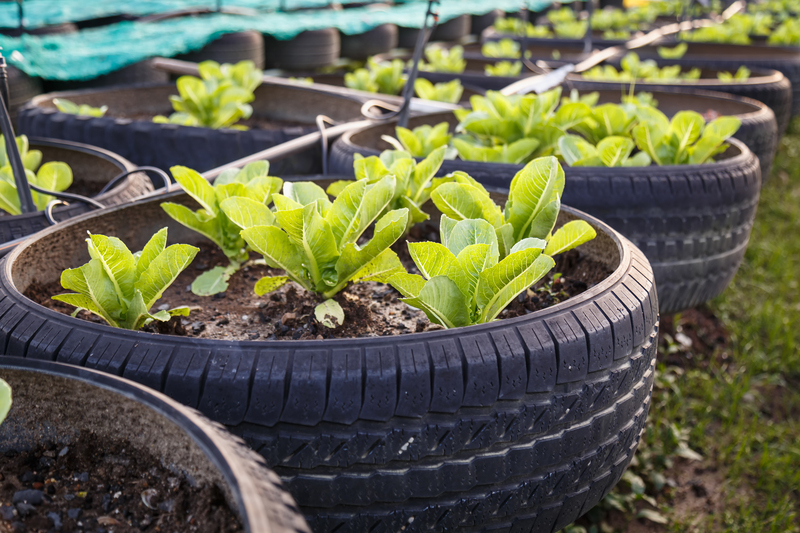
Why Give Trash a Second Chance?
- Environmental Impact: Upcycling reduces landfill waste and conserves resources.
- Cost Effective: Transforming trash into treasure saves money you'd otherwise spend on new items.
- Creative Expression: Every upcycled object is unique, reflecting your creativity and innovation.
- Supports a Circular Economy: Keeps materials in use and delays or eliminates their entry into waste streams.
- Educational and Fun: A fantastic way to teach kids and adults about sustainability and resourcefulness.
Top Creative Upcycling Techniques for Everyday Trash
Ready to let your imagination run wild? Here are proven and inventive ways to give trash a second chance, grouped by type of material. These techniques will help you transform waste into functional art, storage solutions, or statement pieces for your home.
1. Upcycling with Plastic Bottles
- Self-Watering Planters: Cut plastic bottles in half; invert the top with a wick through the bottle neck, stand it in the bottom half filled with water, and plant herbs or succulents on top.
- Hanging Garden: Attach bottle halves to a wall or fence, fill with soil and plants for a lush vertical garden.
- Ornate Chandeliers: Cut, shape, and paint bottle pieces, assembling them into a unique light fixture.
2. Repurposing Glass Jars and Bottles
- Storage Solutions: Glass jars make attractive organizers for craft items, pantry staples, or bathroom essentials.
- Candle Holders: Decorate jars with twine, paint, or lace and drop votive candles in for a cozy atmosphere.
- Miniature Terrariums: Create small-scale gardens with succulents, stones, and soil inside glass containers.
- Lighting: Insert fairy lights into bottles to make enchanting table or garden lanterns.
3. Refresh Your Paper and Cardboard Waste
- Recycled Paper: Shred old paper and use a blender, water, and mesh screen to make handmade sheets or greeting cards.
- Gift Boxes: Reinforce and decorate cardboard boxes with paint or paper scraps for personalized gift packaging.
- Wall Art: Torn magazine pages and newspapers arranged into collages for unique and inexpensive artwork.
4. Revamping Textiles and Clothing
- T-shirt Tote Bags: Turn an old t-shirt into a sturdy, reusable grocery bag--no sewing machine required!
- Patchwork Quilts: Collect scraps of fabric from worn-out clothing to craft a vibrant, meaningful quilt.
- Rag Rugs: Weave strips of old textiles into colorful rugs using a loom or simple braiding techniques.
- Accessory Makeover: Transform jeans into purses, scarves from shirts, or new outfits from old garments.
5. Breathing New Life into Wood and Pallets
- Pallet Furniture: Sand and paint reclaimed wood pallets to create sofas, coffee tables, bookshelves, or patio furniture.
- Garden Planters: Old crates and boxes can be easily converted into chic, rustic planters for your blooms and herbs.
- Wall Organizers: Reuse planks as shelving, key holders, or coat racks.
6. Upcycling Tin Cans
- Desk Organizers: Decorate tin cans with paper, fabric, or paint for stylish pencil or utensil holders.
- Lanterns: Punch holes in can walls, insert candles, and hang them to cast beautiful patterns of light.
- Planters: Drill drainage holes, fill with soil, and grow small kitchen herbs or succulents.
Advanced and Artistic Upcycling Techniques
Want to take your sustainable creativity to the next level? These advanced ideas combine technical skill with artistry, making for awe-inspiring transformations and even potential side-businesses.
1. Mosaic Art from Broken Dishes
Gather chips and fragments from shattered ceramics to create intricate mosaics for tabletops, picture frames, or garden stones.
2. Furniture Makeover with Scrap Wood
Combine wood offcuts, salvaged doors, or window frames to assemble custom furniture pieces, headboards, or sturdy benches. Stain or paint them for a professional finish.
3. Sculptures from Discarded Metal
Use old metal parts, nuts, bolts, and wires to form eye-catching garden art, wall sculptures, or even jewelry.
4. Electronic Waste Reimagined
- Craft robots or art installations from circuit boards, wires, and computer parts.
- Transform outdated CDs into shimmering wall art or coasters.
Tips for Successful and Safe Upcycling
- Clean Materials Thoroughly: Always wash and dry items before use, especially food containers.
- Use Proper Tools: Invest in basic safety equipment, utility knives, glue guns, and sandpaper.
- Mind Safety: When working with glass, metal, or chemicals, wear gloves and eye protection.
- Non-Toxic Materials: Opt for lead-free paint, food-safe adhesives, and natural finishes, especially for items getting frequent use.
- Start Small: Begin with simple projects to avoid frustration and build your skills.
How to Find Inspiration for Upcycling Projects
Sources for upcycling creativity are all around you:
- Online Communities: Platforms like Pinterest, Instagram, and Reddit are overflowing with upcycling project ideas.
- Local Workshops: Community centers often host upcycling classes for all skill levels.
- Secondhand Shops: Thrift stores can offer abundant inspiration with their array of vintage finds and overlooked "junk."
Remember, the goal is not perfection, but resourcefulness and fun!
Give Trash a Second Chance: Upcycling for the Community
Why keep your upcycling genius to yourself? Many organizations and community groups host upcycling events, swap meets, and workshops. Donating your revamped creations to local shelters, schools, or charities not only helps others but also encourages a wider movement toward sustainable living.
Start an Upcycling Club
- Host monthly upcycle-and-share events in your community.
- Engage schools for educational upcycling programs.
- Partner with local businesses for supplies and exhibition space.
Common Upcycling Mistakes to Avoid
- Overcomplicating Projects: Sometimes simple is more effective (and more likely to be finished!).
- Skipping Prep: Rushing can leave you with sticky labels, lingering smells, or chipped paint.
- Ignoring Functionality: Make sure your upcycled item is actually usable and safe.
- Waste Generation: Beware of producing more waste (like plastic bits or toxic byproducts) during upcycling than the original item created.
Upcycling Success Stories to Inspire You
- The Coffin Club: Seniors in New Zealand upcycle plain coffins into personalized art pieces, now exhibited worldwide.
- Oceanides Project: Artists across Europe create breathtaking sculptures using ocean plastic waste, blending beauty with environmental activism.
- Funky Furniture Startups: Brands like Scrap Lab and Reborn Furniture are turning urban refuse into high-end decor.
Frequently Asked Questions about Upcycling and Giving Trash a Second Chance
Is upcycling better than recycling?
Upcycling often uses less energy than recycling and results in a product with higher value and character. Recycling requires sorting, processing, and sometimes hazardous waste, while upcycling is usually a creative, low-energy process.
What are the easiest materials to upcycle?
Glass jars, cardboard, textiles, and wood are beginner-friendly due to their versatility and safety. Start with these before moving on to metals or plastics.
Can upcycling become a source of income?
Absolutely. Many artisans sell upcycled products on Etsy, at local markets, and via social media. It's a perfect blend of eco-consciousness and entrepreneurship!
Conclusion: Transform Trash Into Treasure Today
With deliberate effort and creativity, you can give trash a second chance and help forge a more sustainable, beautiful world. From inventive crafts to practical storage, creative upcycling techniques empower you to make an impact--right from your home. So, gather your discarded items, let your inspiration take flight, and discover the endless possibilities of upcycling.
Start your upcycling journey now, and see what magic you can create by giving trash a second chance!