Comprehensive Guide to Construction Waste Disposal in Downham
Introduction to Construction Waste Disposal
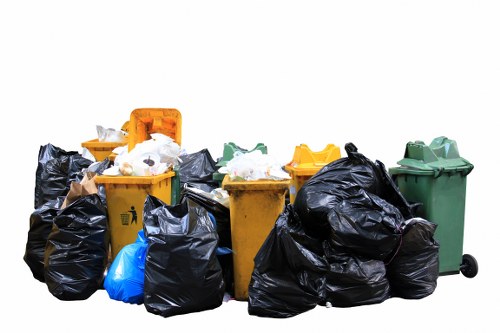
Construction projects generate a significant amount of waste, making effective construction waste disposal essential. In Downham, proper waste management not only ensures compliance with local regulations but also promotes environmental sustainability.
Understanding the types of construction waste and the best disposal methods is crucial for contractors, builders, and homeowners alike. This guide provides an in-depth look at effective waste disposal strategies specific to Downham.
From recycling materials to partnering with local waste management services, there are various ways to handle construction debris responsibly.
Types of Construction Waste

Construction waste can be broadly categorized into:
- Concrete and Masonry: Includes broken bricks, concrete slabs, and other related materials.
- Wood: Scrapped lumber, plywood, and other wood products.
- Metals: Scrap metals like steel, aluminum, and copper.
- Plastics: Packaging materials, piping, and other plastic components.
- Drywall and Insulation: Waste from drywall installation and removal.
Proper categorization helps in determining the most effective disposal or recycling method for each type of waste.
By identifying and separating these materials at the source, construction sites can minimize landfill usage and promote recycling initiatives.
Local Regulations in Downham
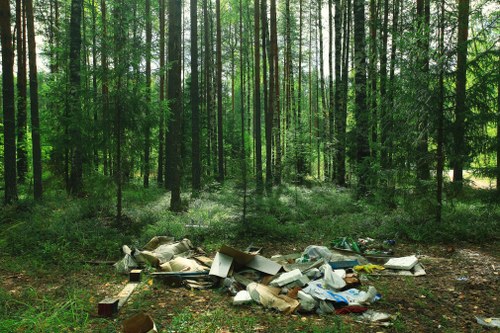
Downham has specific regulations governing construction waste disposal to ensure environmental protection and public health. It's imperative for anyone involved in construction to be aware of these laws.
The local council mandates that all construction waste must be disposed of through authorized channels. Unauthorized dumping can result in hefty fines and legal repercussions.
Additionally, certain materials like asbestos-containing products require special handling and disposal methods to prevent environmental contamination.
Effective Waste Management Strategies
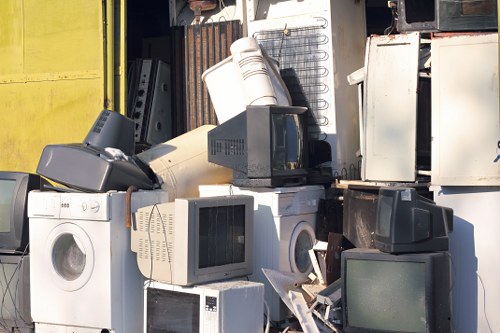
Implementing effective waste management strategies can significantly reduce the environmental impact of construction projects. Key strategies include:
- Waste Segregation: Separating waste materials at the source to facilitate recycling and proper disposal.
- Recycling: Partnering with local recycling facilities to repurpose materials like metal, wood, and concrete.
- Reduce and Reuse: Minimizing waste generation by optimizing resource use and reusing materials whenever possible.
- Proper Documentation: Keeping detailed records of waste disposal to ensure compliance with local regulations.
These strategies not only comply with Downham's regulations but also contribute to sustainable construction practices.
Adopting these measures can lead to cost savings and improved project efficiency.
Choosing the Right Disposal Partner
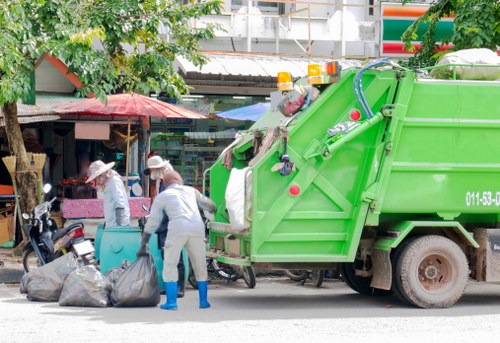
Selecting a reliable waste disposal service in Downham is critical for effective waste management. Look for companies that offer comprehensive services, including waste collection, recycling, and disposal.
Ensure that the disposal partner is licensed and adheres to local regulations. This guarantees that your construction waste is handled responsibly and legally.
Additionally, consider partners who provide eco-friendly disposal options, aligning with sustainable building practices.
Benefits of Proper Waste Disposal
Effective construction waste disposal offers numerous benefits:
- Environmental Protection: Reduces landfill usage and promotes recycling.
- Regulatory Compliance: Avoids legal issues and fines by adhering to local laws.
- Cost Savings: Efficient waste management can lower disposal costs.
- Project Efficiency: Organized waste disposal enhances overall project workflow.
Embracing responsible waste disposal practices fosters a positive reputation and supports community well-being.
Moreover, it contributes to the broader goal of sustainable development in Downham.
Innovations in Waste Disposal
The waste management industry is continually evolving, with new technologies enhancing construction waste disposal in Downham.
Advancements such as on-site recycling units and waste-to-energy systems are revolutionizing how construction waste is handled. These innovations reduce the reliance on traditional landfills and promote resource recovery.
Investing in these technologies can provide long-term benefits, including reduced environmental impact and operational efficiencies.
Community Impact and Sustainability
Proper disposal of construction waste positively impacts the Downham community. It ensures that local environments remain clean and safe, preserving natural resources for future generations.
Sustainable waste management practices also encourage other industries to adopt eco-friendly approaches, fostering a culture of sustainability within the region.
Community involvement and awareness are essential in achieving these sustainable goals, making education and outreach programs valuable components of waste disposal initiatives.
Challenges in Construction Waste Disposal
Despite the benefits, several challenges persist in effective waste disposal:
- Cost Constraints: Managing waste can be expensive, especially for large projects.
- Lack of Awareness: Not all stakeholders are informed about proper disposal methods.
- Logistical Issues: Coordinating waste collection and transport can be complex.
- Regulatory Changes: Keeping up with evolving laws requires continuous effort.
Addressing these challenges requires collaboration between contractors, waste management companies, and local authorities.
Innovative solutions and proactive planning can mitigate these obstacles, ensuring effective waste disposal.
Future Trends in Waste Management
The future of construction waste disposal in Downham looks promising with ongoing advancements:
- Increased Recycling: Enhanced facilities and technologies will boost recycling rates.
- Automation: Automated waste sorting and handling will improve efficiency.
- Circular Economy: Emphasizing the reuse of materials to create a closed-loop system.
- Green Building Certifications: More projects aiming for sustainability certifications will prioritize waste management.
Staying abreast of these trends will help Downham maintain its commitment to environmental stewardship.
Embracing these developments will lead to more sustainable and cost-effective construction practices.
Conclusion
Effective construction waste disposal in Downham is vital for environmental sustainability, regulatory compliance, and community well-being. By understanding the types of waste, adhering to local regulations, and implementing robust waste management strategies, stakeholders can ensure responsible disposal practices.
Choosing the right disposal partners and staying informed about industry innovations further enhances waste management efforts. As the industry evolves, embracing sustainable practices will lead to a cleaner, greener Downham.
Don’t wait—contact us today to ensure your construction project aligns with the best waste disposal practices.